WEBINARS
Our webinars allow users to learn from experts and earn continuing education credits on industry topics, progress in research, services available, and more.
Show More
-
OCT 31, 2024 | 8:00 AM
 Liquid biopsy next-generation sequencing (NGS) assays help guide treatment selection in cancer patients, particularly when tumor tissue is unavailable or during disease progression. Extensiv...
 -
OCT 30, 2024 | 1:00 PM
Are low gene editing efficiency or gene expression levels preventing your research from advancing? Is your transfection method killing your cells? Are you struggling to reproduce your initia...
-
OCT 30, 2024 | 11:00 AM
Charge heterogeneity in monoclonal antibodies can negatively impact binding affinity and potency, so it is critical to ensure that individual charge variants of biotherapeutic molecules are...
-
OCT 30, 2024 | 8:00 AMC.E. CREDITS
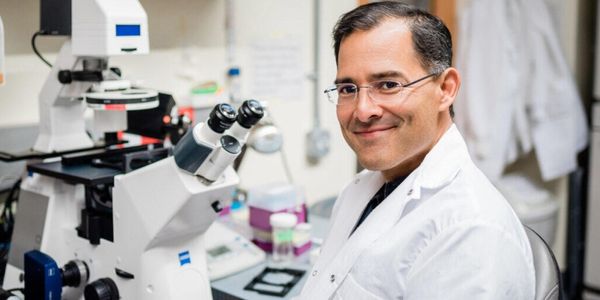
Predicting patient outcomes in cancer treatment is key to creating personalized and effective therapeutic plans. Join Dr. Osman in this engaging webinar as she delves into the cutting-edge w...
-
OCT 29, 2024 | 7:00 AM
Urinary tract infections (UTIs) are among the most prevalent infectious diseases, imposing a significant economic burden on healthcare systems. Traditional microbiological diagnostics for UT...
-
OCT 29, 2024 | 2:30 PM
Antibody–drug conjugates (ADC) are targeted therapies that are designed to deliver highly potent cytotoxic agents to specific tumor cells saving normal tissue. They combined a monoclon...




OCT 24, 2024 | 10:00 AM
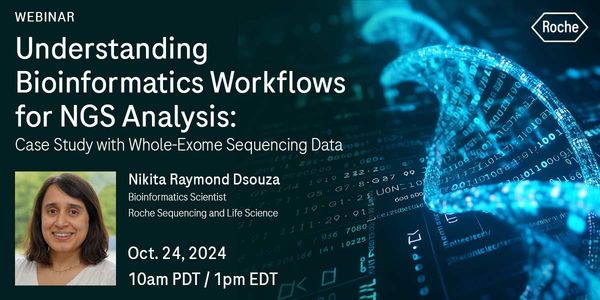
NGS enables the in-depth analysis of the genome and the identification and investigation of disease-associated variants – especially when workflows include target enrichment, which foc...
OCT 24, 2024 | 8:00 AM
Join us as we unveil the latest enhancements to our comprehensive suite of workflows designed to transform and streamline the analysis of biotherapeutics. Discover cutting-edge advancements...
OCT 24, 2024 | 8:00 AM

Analyzing protein expression in biological samples has traditionally been challenging and often poorly reproducible. While methods like western blot have been around for decades, Simple West...
OCT 24, 2024 | 5:00 AM
C.E. CREDITS

Urinalysis is a major diagnostic screening test in the clinical laboratory, with an important role in diagnosing and monitoring nephrological and urological conditions. Until recently, micro...
OCT 23, 2024 | 11:30 AM
C.E. CREDITS

Identifying and verifying low frequencies of genomic alterations resulting from off-target editing, gRNA synthesis errors, cross-contamination, or other unintended gRNA activity is critical...
OCT 23, 2024 | 10:30 AM
C.E. CREDITS

CRISPR has emerged as a promising alternative to viral-based gene editing by allowing scientists to modify genes with unprecedented ease and flexibility. The discovery and development of a d...