Our webinars allow users to learn from experts and earn continuing education credits on industry topics, progress in research, services available, and more.
A microphysiological system is a 3D in vitro model that mimics human tissue environments with high physiological relevance. This approach enhances our understanding of disease mechanisms, dr...
Numerous biomedical applications have been described for liver-humanized mouse models, such as in drug metabolism or drug-drug interaction (DDI) studies. However, the strong enlargement of t...
One of the primary limitations in drug discovery and toxicology research is the lack of good model systems between the single cell level and animal or human systems. This is especially true...

Super-resolution microscopy, or nanoscopy, enables the use of fluorescent-based molecular localization tools to study molecular structure at the nanoscale level in the intact cell. Analysis...
Discover the latest innovations in cervical cancer prevention and molecular diagnostics. This event will showcase cutting-edge advancements in integrated molecular automation and innovative...
Are you struggling to manage the large volume of data, manage instrument time and utilization, and analyze proteomics datasets in a high throughput, automated fashion? It is now easier than...

Explore sustainable practices in the laboratory by discussing the benefits and best practices associated with pipette tip recycling, aiming to reduce environmental impact and promote respons...

Join this webinar to learn how the Bioscience Core Lab at KAUST has automated their PacBio Kinnex library prep workflow on Opentrons robots to facilitate high-throughput RNA sequencing. Ange...
Neoantigens are among the newest promising targets for cancer treatment. Unlike tumor-associated antigens, neoantigens are produced only by tumor cells. These unique molecular markers are hi...
Personalized treatment plans for blood cancers rely on the specialized skills of clinical laboratorians using a variety of analytic methods ranging from microscopic examination to molecular...
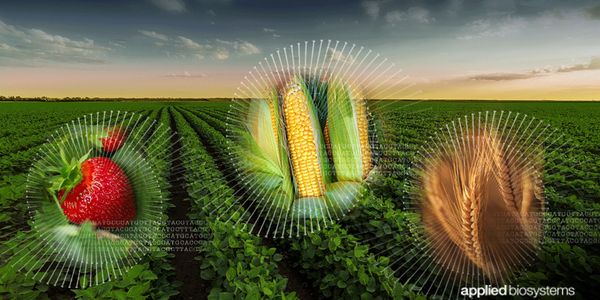
Thermo Fisher Scientific has been working with KOLs and leading researchers for over the past 10 years to develop publicly available catalog Axiom microarray and AgriSeq targeted sequencing...
The field of carrier screening has rapidly developed over the past several years, in terms of technology, guidelines for testing, and patient knowledge. This webinar aims to educate the audi...
Join us for an insightful webinar exploring how two pioneering public health labs, National Institute of Virology (NIV), India and Fundação Oswaldo Cruz (Fiocruz), Brazil, have...
Wastewater surveillance is an emerging science that can be a critical public health tool for infectious disease surveillance. However, it is currently limited by a lack of standardized metho...
In quantitative polymerase chain reaction (qPCR), multiplexing increases sample throughout, while reducing the time and cost associated with having separate reactions for each target. Furthe...
Trauma such as burn continues to be a major cause of morbidity and mortality in the United States. Gut barrier dysfunction is often implicated in post trauma complications. Intoxication at t...
A study of microbiome structure and function associated with plants roots will be presented. the study showed that the microbiome structure is determined by the plant type, with root microbi...
Respiratory tract infections (RTIs) are a significant public health concern due to their widespread transmission and high rates of illness and death globally. Syndromic molecular methods hav...
In recent past respiratory seasons, the world witnessed a “tripledemic” of Influenza (flu), SARS-CoV-2 (COVID-19), and Respiratory Syncytial Virus (RSV). In this presentation, I...
Bacterial vaginosis is a common cause of vaginal complaints, mainly of odor and discharge in women of reproductive age. BV is poorly understood and recurrence is frequent. More questions tha...
In this webinar, we will introduce the in situ proximity ligation technology (isPLA) developed by Navinci, and how it can be used for the highly sensitive detection of protein-protein intera...
Join us for a whimsical and educational journey into the microscopic world of RNA in our upcoming webinar. This engaging session tells the story of an RNA molecule and its friends from their...
The ongoing surge of clade 2.3.4.4b H5N1 viruses in avian species has resulted in numerous spillover events into mammalian species including dairy cows and humans, posing a potential pandemi...
The skin epidermis is the body's main defense against dehydration and harmful substances. We used germ-free mice to show that the microbiota is essential for proper differentiation and r...
Apolipoprotein E epsilon 4 (APOE4) is the primary genetic risk factor for late-onset Alzheimer's disease (AD). APOE4 carriers, especially females, tend to develop gut dysbiosis earlier t...
Human respiratory syncytial virus (hRSV) infection is a significant global health and economic burden. Lower respiratory tract hRSV infections predominantly affect young children, the elderl...