Our webinars allow users to learn from experts and earn continuing education credits on industry topics, progress in research, services available, and more.
Adherence to strict aseptic technique is vital to all types of animal models requiring surgical intervention from both scientific and welfare perspectives. Training of both new and experience...
Soiled-bedding sentinels are not always efficient in detecting pathogens in rodent colonies. In this context, PCR-based testing can be more sensitive and is being advocated as adjunct to trad...

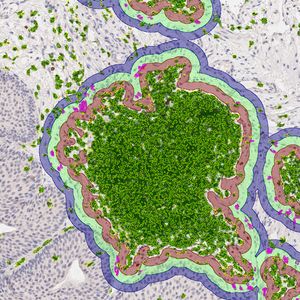
Drug developers are rapidly adopting three-dimensional (3D) cell cultures for drug screening since they provide a more physiologically relevant environment than two-dimensional cell cultures ...
Formalin Fixed, Paraffin Embedded (FFPE) tissues are rapidly being adopted for transcriptome analysis in conjunction with targeted and whole genome sequencing. Harsh formaldehyde fixation an...
Advances in stem cell biology have raised great expectations that diseases of the central nervous system may be ameliorated by the development of non-haematopoietic stem cell medicines. Yet,...
In this presentation we will illustrate the advantages of AFA technology in clinically significant applications (NGS, FFPE, ChIP) and will demonstrate the flexibility of Covaris AFA in deliv...
Single-cell analysis is one of the most rapidly growing fields in biomedical research that is significantly expanding our understanding on the biologic characteristics of various diseases. F...
Statins are among the most commonly prescribed medications that significantly reduce cardiovascular risk in selected individuals. However, these drugs can also be associated with muscle symp...
Contemporary serologic testing has revolutionized the field of celiac disease. Highly accurate serologic assays have shown the prevalence of celiac disease to be nearly 1:100 in many populat...

Dr. Oliver Kepp will be presenting on:Immunogenic cell death fingerprinting utilizing a high-throughput screening approachThe strategy of immunogenic cell death fingerprinting has been design...

Sedimentation velocity (SV) experiments on dispersed nanoparticles are a powerful method for determining otherwise hard to evaluate properties of the nanoparticle such as the...
Created specifically for busy laboratory professionals, this online course includes examples from current laboratory best practices and offers real-world, tangible knowledge that ca...

Oncogenic mutations in isocitrate dehydrogenase 1 (IDH1) or 2 (IDH2) compromise their normal activity and induce NADPH-dependent (D)2-hydroxyglutarate (2HG) production within the cytosol or m...
Mass spectrometry (MS)-based profiling of clinical specimens has been increasingly used in cancer research to characterize changes in protein expression between tumor and healthy tissue or be...
Advances in genomic research have led to identification of the majority of the drivers of tumor progression. However, our understanding of the molecular mechanisms propelling tumor growth is...
Structural pathways are important. They are essential to the understanding of how oncogenic mutations work and to figuring out alternative parallel pathways in drug resistant mutants. Structu...
It has become widely accepted that the presence of intraepithelial CD8+ T cell correlate with improved patient survival. In contrast, tumors largely devoid of immune infiltrations or infiltra...
Female cancer patients in the reproductive years face a variety of diagnostic and therapeutic procedures which pose teratogenic hazards to an unexpected pregnancy. Ionizing radiation, diagnos...
Although the incidence of breast cancer is steadily increasing, mortality rates are decreasing. This means that the majority of women with breast cancer now survive, making it even more impor...
Uncovering the genetic lesions underpinning cancer through genomic profiling in a clinical setting could provide insights into possible treatment options for oncologists and their patients. N...
The era of omics has ushered in the hope for personalized medicine. Proteomic and genomic strategies that allow unbiased identification of genes and proteins and their post-transcriptional a...
Many drugs currently used for anti-cancer therapy demonstrate significant inter-individual variability that cannot be normalized using body weight or body surface area. There is an increasing...
Both cell free DNA (cfDNA) and circulating tumor cells (CTC) represent important possible templates for mutation analysis of clinical samples. Each template has different theoretical advantag...
Hyper and Hypoparathyroid disease states are often latent with a multiplicity of manifestations ranging from asymptomatic state to obvious symptoms and complications such as fatigue...
Fusion genes play a central role in many cancer types. They have been used to classify malignancy, risk factors, disease prognosis, and companion diagnostic biomarkers for certain approved dr...
When the BCR/ABL1 fusion protein was identified in chronic myelogenous leukemia and the JAK2 V617F mutation was identified in patients with other myeloproliferative neoplasms (MPNs) such as p...