Advances in cell and molecular biology have catapulted our understanding of the science of life from the basic understanding of how cells and the components of cells interact within living organisms. Remain up to date on recent discoveries and revelations through these webinars.
Extracellular vesicles (EVs) are nanosized vesicles containing active proteins, lipids, and different types of genetic material such as non coding RNA species, related to the characteristics...
Stem cells can self-renew and differentiate into multiple different cell types. Engineering of stem cells has enabled new methods to study development and organogenesis in humans as well as d...
The development of cell and gene therapies faces immense pressure in terms of time and cost. Advanced therapy medicinal products (ATMPs) demand stringent quality control measures to ensure s...
Extracellular vesicles (EVs) are lipid-bilayer enclosed nano-sized vesicles that are released by all cell types and found in all bodily fluids. EVs are emerging as important regulators of bo...
This session provides an introduction to the MiSeq i100 Series, the simplest, fastest benchtop sequencer. Giving a brief overview of the revolutionary technology that's been built into the n...
The path from research discovery to effective immune cell therapies requires innovative approaches to match the challenges we face. Examining the full richness of biological complexity&mdash...
Early adverse exposures, such as maternal stress during pregnancy and child abuse, are thought to result in long-lasting consequences on neural circuit function and stress hormone regulation...
Room air conditions are hypothermic, hypocapnic and hyperphysioxic from the cells’ point of view. Yet we stress cells with these uncontrolled conditions routinely. It is no wonder that...
The success of immune checkpoint blockade adds a new therapeutic category to the cancer therapy repertoire. Despite efforts made on cancer cell and immune cell interaction, how cancer cells i...
MicroRNAs (miRs) are small non-coding RNAs whose expression is altered in several types of human cancers. Recent evidence supports their inter-cellular transfer through extracellular vesicle...
Lowe Syndrome (LS) is a devastating genetic disease characterized by abnormalities in the eyes, brain and kidneys that unfortunately leads to the premature death of affected children due to r...
Cell and gene therapy is at the forefront of medical innovation, offering transformative potential for treating complex diseases. However, achieving success in these therapies requires metic...
α-synuclein (-syn) is a small presynaptic protein linked to the pathogenesis of Parkinson’s disease (PD) and related disorders, collectively called synucleinopathies. Phosphoryl...
Vaccines have played a major role in protecting human health as one of the key means of controlling infectious diseases. More than 20 high-risk diseases can be currently prevented through va...
Tumor phenotypes are dictated not only by the neoplastic cell component, but also by the tumor microenvironment (TME), which is inherently immuno-suppressive, is equipped to hamper effector...
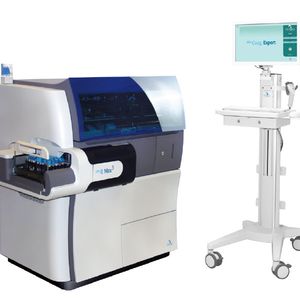
The exponential advents of advances in techniques and types of molecular diagnostic testing, and modifying strategies for these tests, are encouraging; but these evolutions simultaneously con...
The majority of patients with advanced NSCLC do not respond to monotherapy with PD-1 axis inhibition, and more robust predictive biomarkers are needed. In this study, we assessed tumor sampl...
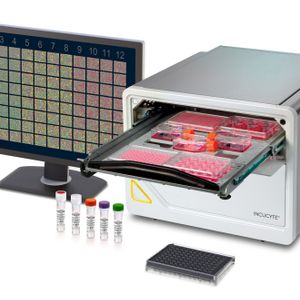
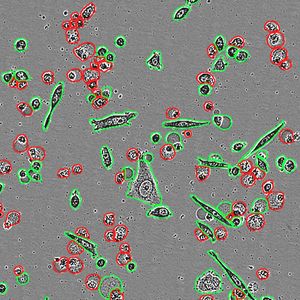
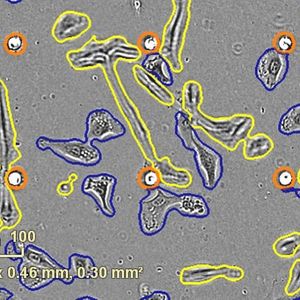
Deriving deeper biological insight & improving productivity in immune-cell biologyThe most common in vitro methods for immunologists to analyze cells of the immune system are flow cyt...
I will present my lab’s effort on studying and manipulating RNA processing, with particular emphasis on using CRISPR/Cas systems for targeting RNA in living cells in diseases such as my...
Microtubule plus-end tracking proteins (+TIPs) play key roles in the regulation of microtubule dynamics in vivo. These proteins bind to and regulate microtubule “plus‐ends”, whic...
Heterotetrameric adaptor protein (AP) complexes play key roles in protein sorting and transport vesicle formation in the endomembrane system of eukaryotic cells. One of these complexes, AP-4...
Extracellular ligands bind to receptors on the cell surface leading to receptor internalization. Once internalized into small vesicles, the vesicles fuse with an organelle known as the sorti...
A microphysiological system is a 3D in vitro model that mimics human tissue environments with high physiological relevance. This approach enhances our understanding of disease mechanisms, dr...
Date: September 16, 2021 Time: 8:00am (PDT), 11:00am (EDT) Rapid screening and speed of scale-up in protein therapeutics are critical factors in today’s biotech and pharma workflows. T...
The disposition of antibody-based therapeutics is generally determined by both target-mediated and non-target processes, the latter being an often-overlooked aspect. Target-independent liabi...
After a brief definition of terms (what are bioplastics?), this lecture will discuss various material and application examples for biobased and/or biodegradable plastics. An overview on the...
 Extracellular vesicles (EVs) are nanosized vesicles containing active proteins, lipids, and different types of genetic material such as non coding RNA species, related to the characteristics...