Advances in clinical laboratory techniques and molecular analysis are reshaping our approach to therapy and diagnosis. Explore emerging diagnostic technology and the latest insights in the microbial community in these webinars.
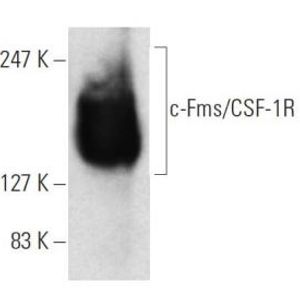
While chemiluminescence has been the traditional approach to western blot detection, this strategy is being progressively supplemented or replaced with fluorescence-based detection. With the...
Testing volumes need to increase by orders of magnitude in order to restore communities back to normality. This workshop focuses on solutions that equip laboratories to participate in expand...
Myeloid leukemias encompass a group of different diseases that include myeloproliferative neoplasms (MPN), myelodysplastic syndrome (MDS) or acute myeloid leukemia (AML). These diseases are d...
Standards setting is an important process for improving forensic science. Guidelines, minimum practice and best standards all have their place in forensic toxicology. This lecture will focus...
Novel psychoactive substances (NPS) emerged in the United States around 2000. Initially, synthetic cannabinoids and stimulants prevailed. Now, designer opioids, benzodiazepines an...
To achieve clear and accurate resolution of protein bands in protein gel electrophoresis, it is important to use the appropriate sample preparation conditions and to choose the right gel chem...
Part 1: Sustainable health and laboratory medicine; Presented by Professor Damien GrusonSummary: PendingPart 2: Let’s talk about errors in point of care testing in mobile health...
The role of the microbiology laboratory in the processing of positive patient blood cultures has become more complicated with the increasing demand for rapid information to assist in the mana...
The advent of next generation sequencing has transformed the way we identify mutations with clinical implications. As the compendium of variants expands, gathering the most current and accura...
To ensure the immune system’s balance between the recognition of non-self and the prevention of autoimmunity, the activity of immune cells needs to be strictly controlled. During the pr...
Thyroid autoimmunity (TAI) tends to be more common in women consulting for fertility problems. However, any underlying causal mechanism connecting TAI to fertility aspects is yet to be establ...
The Laboratory Stewardship Committee of the Cleveland Clinic is a multidisciplinary team of clinicians, pathologists, administrators, nurses and other caregivers. The team has a commitment t...
Protein quantitation assays are essential for workflows that include protein extraction, labeling, and analysis. The simplest method for protein quantitation is measuring the absorbance of a...
Despite the fact that screening for many cancers is associated with net harm, healthcare consumers continue to be screened. PSA is the most commonly performed laboratory screening test for ca...
In this webinar, Dr. Becky Winslow, infectious disease clinical scientist, details urinary tract infections’ incidence and impacts; the standard urine culture’s (SUC) technical c...
Clinical testing with next generation sequencing requires a complex bioinformatics pipeline to process raw DNA sequence into interpretable variants for medical reporting. With sequencin...
Point-of-care testing (POCT) is destined to play a much greater role in chronic disease diagnosis and management. Advanced POCT systems are being developed to deliver less costly and more ac...
Determining which patients would derive clinical benefit from immunotherapy is a compelling clinical question. Biomarkers have been shown to predict therapy outcome in various types of cancer...
Lateral flow assays (LFAs) are rapid, sensitive, and easy-to-use immunoassays for detecting specific target proteins in vitro. Although the LFA format is extremely popular in point-of-care di...
Single-cell RNA sequencing has emerged as an important technology that can reveal gene expression differences between different cell types. This webinar will demonstrate how bioinformatics s...
Integration of technology is influencing practice in the clinical laboratory and treatment of patients in the clinical practice arena. As laboratories begin to move from a volume to value mod...
Currently, prostate cancer is the second leading cause of death from cancer in North America, the most frequent malignancy in men from all ethnicities, surpassing lung cancer. Prostate tumors...
Antiplatelet therapy with aspirin (ASA) is widely used in cardiovascular disease (CVD) prevention because it inhibits platelet cyclooxygenase-1 (COX-1) and thromboxane A2 (TXA2)-mediated plat...
Thyroid function tests play a central role to assess thyroid function and are valuable companions for clinicians. The evolution of the tests is permanent and clinical laboratories are key pla...
The presentation will describe the principles of the ultra-sensitive single-molecule array (Simoa) developed by Quanterix and the application of the Simoa technology to the development of a t...
 While chemiluminescence has been the traditional approach to western blot detection, this strategy is being progressively supplemented or replaced with fluorescence-based detection. With the...