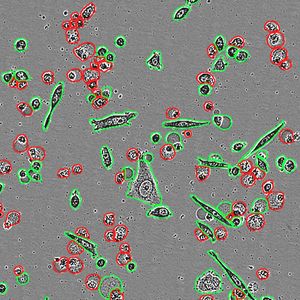
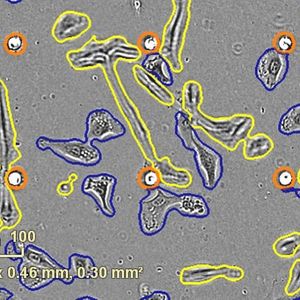
This compilation of webinars touch on the various human diseases are most commonly attributed to the subject matter of microbiology, as well as the many microbes that are also responsible for numerous beneficial processes.
Recent outbreaks of Ebola virus (EBOV) and severe acute respiratory syndrome coronavirus 2 (SARS-CoV-2) have exposed our limited therapeutic options for such diseases and our poor understand...
Human respiratory syncytial virus (hRSV) is a significant cause of lower respiratory tract infections in children under the age of 5, the elderly, and immunocompromised individuals, leading...
Antimicrobial resistance (AMR) detection and surveillance is a high priority in healthcare and environmental settings for the safety of both patients and the general public. However, working...
In the last decade or so, R&D into the human microbiome-based therapeutics and diagnostics has accelerated the widespread availability of next-generation DNA sequencing technologies that...
Researchers are increasingly turning to RNA sequencing for gene expression analysis from challenging samples. These samples often include fine needle biopsies, micro-dissected tumors or high...
Given its ability to isolate pathogens, nuclei, and immune cells for downstream applications, cell sorting is an essential tool for immunological studies. Yet, the potential for aerosol form...
Wastewater samples are challenging substrates for nucleic acid extraction and the choice of extraction method determines the success of the downstream analysis. Extraction methods must be ab...
Apolipoprotein E epsilon 4 (APOE4) is the primary genetic risk factor for late-onset Alzheimer's disease (AD). APOE4 carriers, especially females, tend to develop gut dysbiosis earlier t...
As obligate intracellular pathogens, viruses require host-derived nucleotides, amino acids, and lipids, among others, and the bioavailability of these metabolites can restrict or promote vir...
Join Dr. Krista Rantanen for an inside look at the unique challenges of cultivating anaerobic and microaerophilic bacteria. This session will explore why controlling oxygen levels is essenti...
The global effort to sequence millions of SARS-CoV-2 genomes has provided an unprecedented view of viral evolution. Characterizing how selection acts on SARS-CoV-2 is critical to developing...
Antimicrobial resistance (AMR) represents one of the most pressing global health challenges of the 21st century, threatening the effectiveness of treatments and burdening healthcare systems...
NGS library preparation can be a long, multi-step process, but it is essential for proper sample management and reproducible results. Automating this process reduces costs, frees up research...
The skin epidermis is the body's main defense against dehydration and harmful substances. We used germ-free mice to show that the microbiota is essential for proper differentiation and r...
Infertility affects one in six couples, with fertility treatments facing daunting 2:1 odds of failure versus success. Emerging research highlights the critical role of vaginal microbiome hea...
Antipsychotic (AP) medications are increasingly recognised for their association with a heightened risk of infections. Clozapine, an atypical AP reserved for treatment-resistant schizophreni...
Human respiratory syncytial virus (hRSV) infection is a significant global health and economic burden. Lower respiratory tract hRSV infections predominantly affect young children, the elderl...
Have you ever struggled to accurately pipette glycerol, ethanol, or other challenging liquids? METTLER TOLEDO Rainin developed Good Pipetting Practice™ (GPP™) as a practical, sci...
 Recent outbreaks of Ebola virus (EBOV) and severe acute respiratory syndrome coronavirus 2 (SARS-CoV-2) have exposed our limited therapeutic options for such diseases and our poor understand...





































![Anti-PRAME antibody [EPR20330]](https://d3bkbkx82g74b8.cloudfront.net/eyJidWNrZXQiOiJsYWJyb290cy1pbWFnZXMiLCJrZXkiOiJjb21wYW55X3Byb2R1Y3RfcHJvZmlsZV9pbWFnZV9mMzEwNTY4MGY1NmVmZjU3ZjZhMWRkZTU2M2Q4YjBmODZjMDJkNDE4XzMwMDA3MTg1ODEyLmpwZyIsImVkaXRzIjp7InRvRm9ybWF0IjoianBnIiwicmVzaXplIjp7IndpZHRoIjozMDAsImhlaWdodCI6MzAwLCJmaXQiOiJjb3ZlciIsInBvc2l0aW9uIjoiY2VudGVyIiwiYmFja2dyb3VuZCI6IiNmZmYifSwiZmxhdHRlbiI6eyJiYWNrZ3JvdW5kIjoiI2ZmZiJ9fX0=)