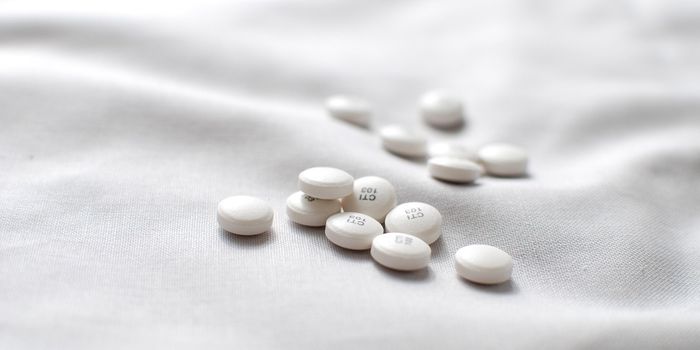
Scientists have studied the effects of one of the most common laxatives in the world to reveal more about how the regulation of fluid flow in the gut is related to constipation and diarrhea. These very different gastrointestinal issues may have more in common than it seems. In a new study reported in Nature Communications, researchers have revealed a molecular switch called TRPM4 that can strongly influence the movement of water in the gut, and could be closely linked to to gut problems.
Fluid in the gut must be balanced properly to ensure that digestion is healthy and normal. Epithelial cells compose the lining of the intestine, and they are crucial to controlling the movement of water and salt in and out of the gut. The active form of the laxative bisacodyl (deacetyl bisacodyl) was shown to activate TRPM4, an ion channel in intestinal epithelial cells.
Activated TRPM4 lets sodium into epithelial cells, which leads to the movement of calcium ions into the cells. This causes the release of chloride ions into the gut, and increases water flow in the gut. This generates a laxative effect.
So researchers may now be able to design much better treatments for constipation, in which TRPM4 or relevant pathways could be altered so that fluid flow would be increased to treat constipation, or slow it down to treat diarrhea.
Bisacodyl has been used as a laxative for over 60 years, but this study is the first to reveal its biological target, noted co-corresponding study author Juan Du, a professor at Northwestern University, among other appointments.
"By combining structural biology, electrophysiology, cell-based assays and animal models, we constructed a rare, comprehensive view of drug action, from atomic-level interactions to whole-organism physiology,” said Du.
"Together, our findings establish TRPM4 as a central regulator of intestinal fluid balance, identify a new druggable site and provide a roadmap for developing next-generation therapies for gastrointestinal disorders," added co-corresponding study author Wei Lü, also a professor at Northwestern, among other appointments.
The scientists used cryo-electron microscopy to reveal a place on TRPM4 where drugs could bind. This was shown to be the location where active bisacodyl metabolites can attach to activate the channel. Learn more about that from the video below.
"We uncovered a new epithelial signaling pathway that coordinates multiple ion channels to regulate intestinal fluid movement," Du said. "This newly defined signaling axis provides a broader framework for understanding how epithelial tissues maintain balance in health, and how this balance is disrupted in disease."
While this work was confirmed in a mouse model, it remains to be confirmed in humans. But it shows that we could have better treatments for gut disorders on the horizon, and has finally provided an answer to a longstanding pharmacological question about bisacodyl.
Experienced research scientist and technical expert with authorships on over 30 peer-reviewed publications, traveler to over 70 countries, published photographer and internationally-exhibited painter, volunteer trained in disaster-response, CPR and DV counseling.