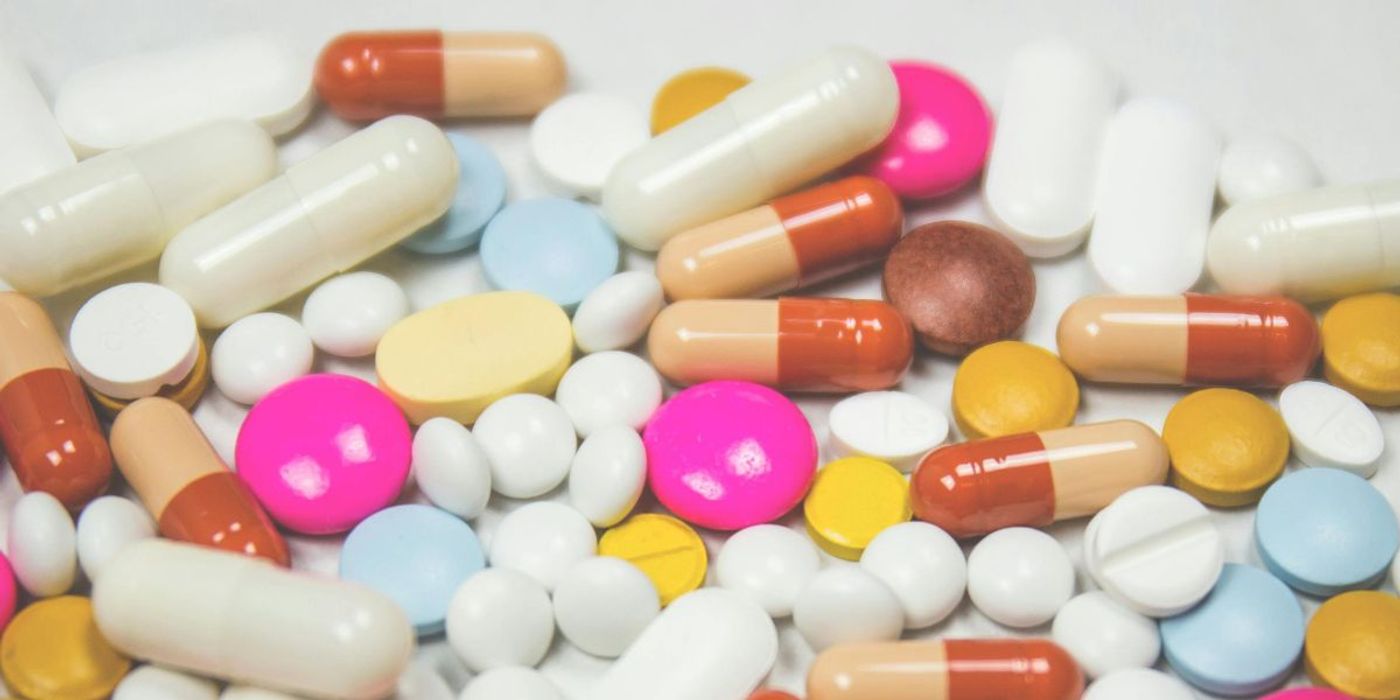
 Anti-inflammatory medications reduce depressive symptom severity and anhedonia in individuals with depression and elevated levels of inflammation, according to a new study published in the American Journal of Psychiatry.
Over the last two decades, increasing evidence has found that chronic, low-grade inflammation may drive symptoms in some individuals with depression. Clinical trials, however, in which depressed individuals took anti-inflammatory treatments, have yielded mixed results.
“We hypothesized that results may have been mixed because these trials did not target the subset of depressed individuals exhibiting immune dysfunction – if there is no inflammation to begin with, anti-inflammatory medication won’t be very helpful!” said the authors in a press release.
“So, our study was designed to determine whether anti-inflammatory medications are effective when given to depressed individuals who are actively exhibiting chronic, low-grade inflammation,” they continued.
To test their hypothesis, the researchers analyzed data from 11 randomized controlled trials of anti-inflammatory treatments assessing anhedonia or depressive symptom severity among individuals with depression and an inflammatory phenotype or measured baseline inflammatory biomarkers.
Ultimately, they found that those with higher levels of inflammation experienced reductions in both anhedonia and depressive symptoms when taking anti-inflammatory medications. The results did not vary by clinical, interventional, or demographic characteristics.
“These results should be considered preliminary given the heterogeneity of effect sizes for depressive symptom severity, the small numbers of studies, and the small sample sizes, but they indicate that anti-inflammatory agents are safe and effective in reducing depressive symptoms and anhedonia in inflammatory depression,” wrote the researchers in their study.
The systematic review provides guidance for designing randomized controlled trials for high-quality evidence to inform future developments in depression treatment, they wrote.
In terms of next steps, more work needs to be done to develop immune biomarkers to more accurately identify who will benefit from anti-inflammatory treatment for depression, wrote the researchers in the press release, adding that approaches that selectively target dysfunctional inflammatory physiology are also in need.
Sources: American Journal of Psychiatry, EurekAlert