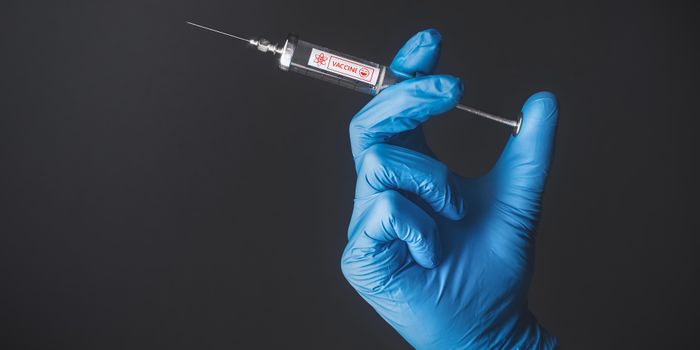
 Scientists have developed a nasal vaccine to protect against bird flu. The corresponding study was published in Cell Reports Medicine.
"Our vaccine to the nose and upper airway -- not the shot-in-the-arm vaccine people are used to -- can protect against upper respiratory infection as well as severe disease. This could provide better protection against transmission because it protects against infection in the first place,” co-senior author of the study, Jacco Boon, PhD, Professor at Washington University School of Medicine, said in a press release.
Bird flu, also known as H5N1 avian influenza, was first identified in the US in 2014. It has since spread from wild birds to farm animals and people, with over 70 human cases of the virus reported in the US in 2022, including two deaths. As the virus continues to circulate among animals, scientists warn that it may evolve in ways that make it easier to spread among humans, increasing pandemic risk.
Although a bird flu vaccine already exists, it is not widely available. It was also designed using older strains, potentially limiting its effectiveness against current ones. In the present study, researchers developed a new vaccine using nasal vaccine technology. Tests in hamsters and mice demonstrated near-complete protection against the virus. In both animals, delivery by nasal spray offered stronger protection than delivery by traditional intramuscular injection.
The vaccine remained highly effective when administered at low doses and followed by high levels of exposure to the virus. Prior seasonal flu vaccines did not reduce antibody responses or protection after intranasal vaccine delivery.
"Delivering vaccine directly to the upper airway where you most need protection from respiratory infection could disrupt the cycle of infection and transmission. That's crucial to slowing the spread of infection for H5N1 as well as other flu strains and respiratory infections,” said co-author of the study, Michael S. Diamond, MD, PhD, Professor at Washington University School of Medicine, in a press release.
Sources: Science Daily, Cell Reports Medicine