Our body controls the levels of sugar in our blood with a hormone called insulin, which is made by beta cells in the pancreas. In type 1 diabetes, the immune system erroneously attacks those beta cells, and the body cannot generate enough insulin to properly regulate blood sugar. Type 1 diabetes patients have to carefully monitor their blood sugar, or blood glucose levels for their entire lives, and most treatments for type 1 diabetes are aimed at suppressing the immune system. But researchers have now found that disabling one gene in beta cells can prevent type 1 diabetes from developing, in a mouse model that is predisposed to the illness. The findings, which were reported in Nature Communications, may lead to new treatments for type 1 diabetes.
In this study, the researchers aimed to determine why beta cells are targeted by the immune system, instead of looking for ways to stop the immune system from attacking beta cells. They focused on an stress-response gene and the protein it generates, called XBP1. This gene can help cells deal with inflammation, toxins, and the accumulation of proteins that don’t have the right structure.
The investigators utilized a mouse model in which type 1 diabetes spontaneously arises. When the Xbp1 gene was eliminated from mouse beta cells before the immune system destroyed the cells, their blood glucose levels increased for awhile and then went down to normal; then they stayed their for about a year.
"What was really interesting is that early on they show hyperglycemia, but then they recover from it," noted Feyza Engin, a professor at University of Wisconsin–Madison. "They actually go from diabetes back to normal blood glucose levels."
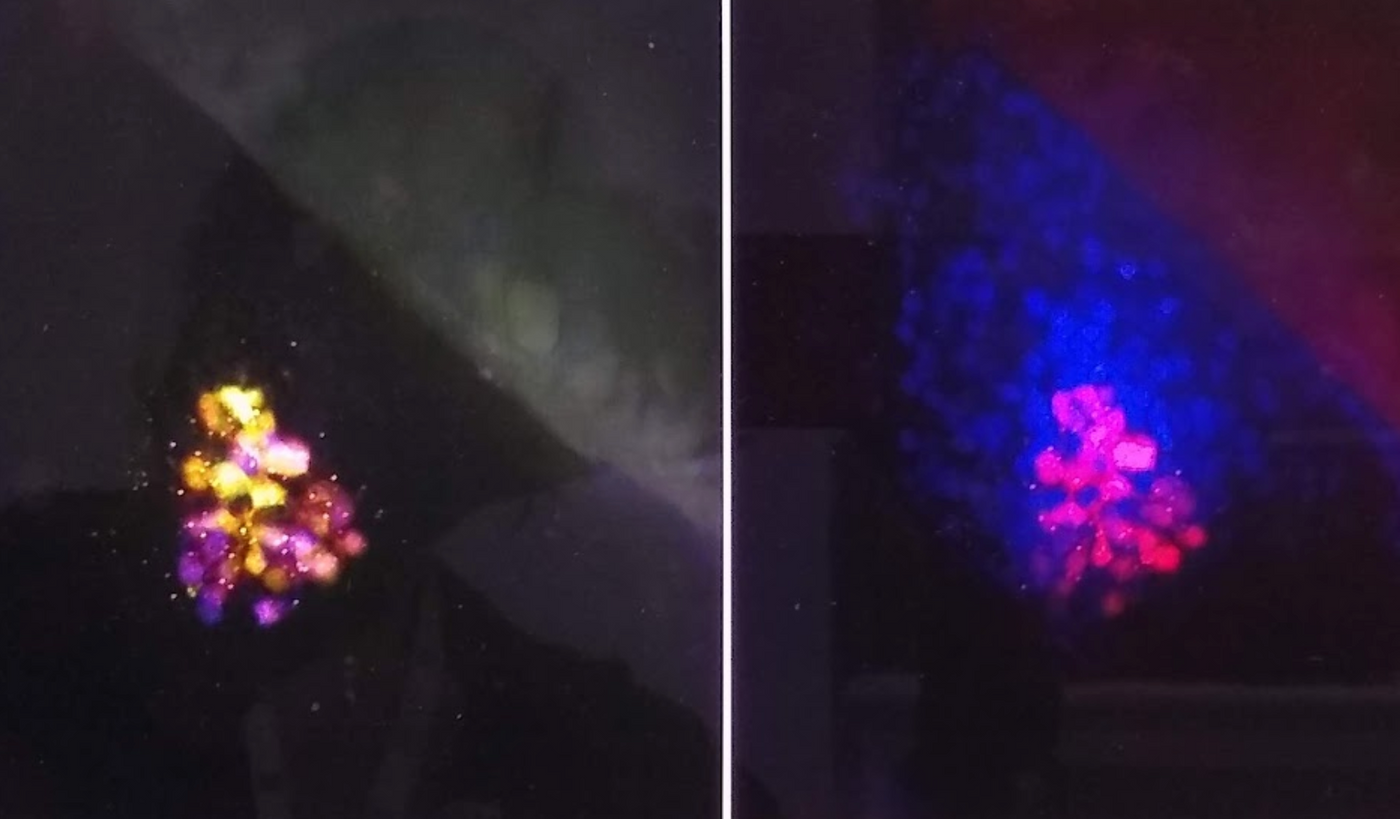
Additional work revealed that the loss of the Xbp1 gene made beta cells lose features that indicate they produce insulin. This made them less susceptible to attack from the immune system. Eventually the cells regained those features, but inflammation went down and insulin release was normalized.
"They're losing their beta cell identity and look nothing like a typical beta cell. That's why immune cells don't recognize them," Engin said.
The study also suggested that beta cells may play an active part in the development of type 1 diabetes, and are not simply targeted by immune cells.
"Our findings further support that beta cells are actually not victims," said Engin. "They actively participate in their own destruction."
Although this study was performed using a mouse model, the researchers are hopeful that they will apply to humans as well, and that these findings could aid in the development of targeted therapies.
If people that are likely to develop type 1 diabetes can be identified before the disease happens, there may be a way to disrupt the disease development process.
"Can we inhibit XBP1 and prevent or delay their diabetes?" Engin speculated. Now, the team is pursuing the answer to that question.
Experienced research scientist and technical expert with authorships on over 30 peer-reviewed publications, traveler to over 70 countries, published photographer and internationally-exhibited painter, volunteer trained in disaster-response, CPR and DV counseling.