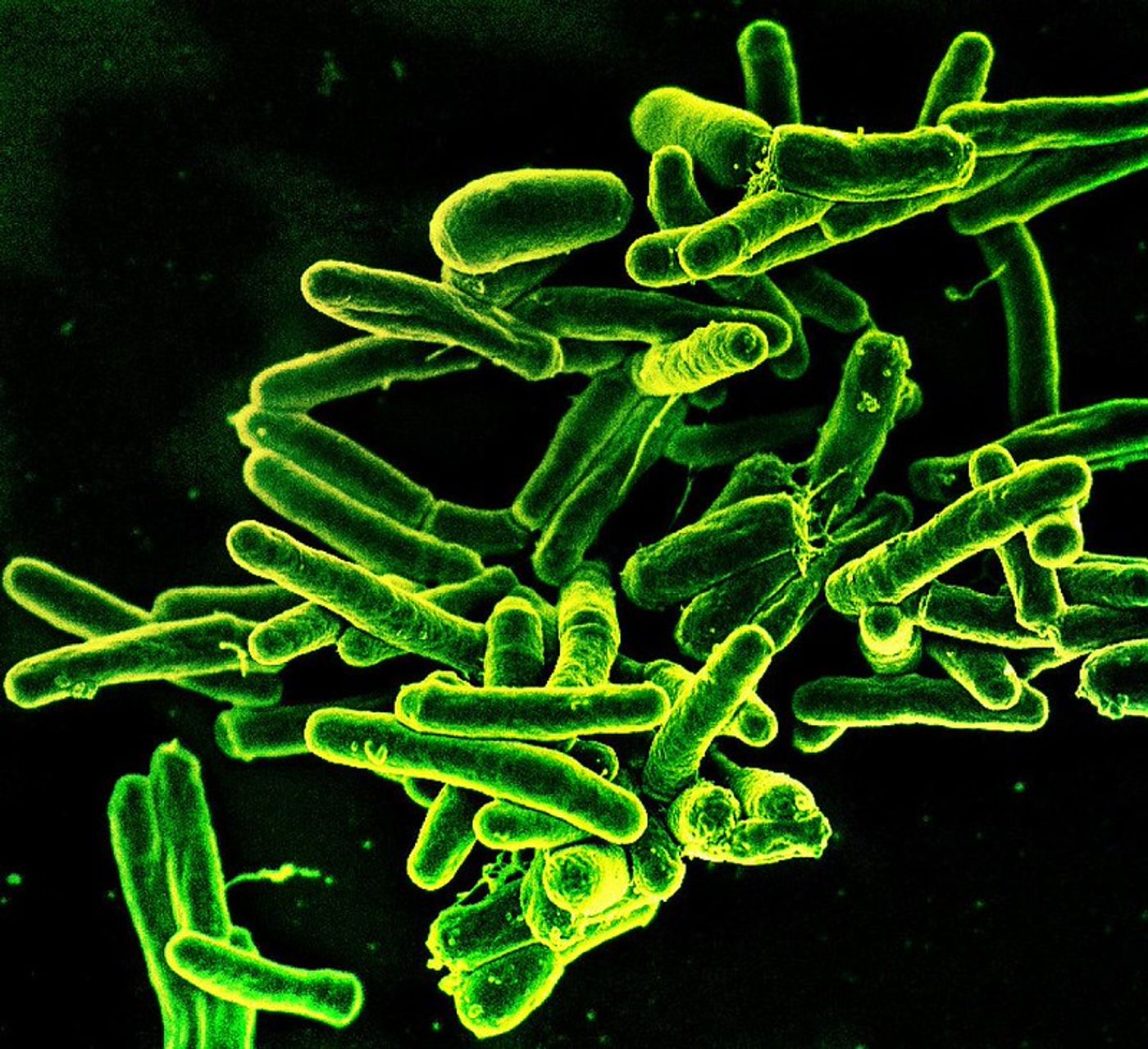
People and animals are very susceptible to infections from Mycobacterium tuberculosis (MTB), the bacterium that causes tuberculosis (TB). This deadly infection still causes an estimated 1.5 million deaths annually. TB can occur when infectious microbes are inhaled, and taken up by frontline immune cells known as macrophages. These cells normally protect us from pathogens by engulfing them up and destroying them, and triggering a range of immune responses. But a new study has shown that MTB can take advantage of this normally protective immune response to cause infection. The findings have been reported in Science Immunology.
MTB is identified by macrophages that use receptors on their cell surfaces to link to receptors on bacterial cells. The receptor Dectin-1, for example, helps to identify fungal invaders. This work has also revealed that MTB can use Dectin-1.
When Dectin-1 identifies a fungal invader, an immune response is launched. But when MTB links up with Dectin-1, the pathogenic microbe is empowered to survive. The microbe can generate a molecule known as alpha-glucan, which can take aim at Dectin-1 to manipulate the immune response.
The researchers used both human and mouse cells in culture to show that when Dectin-1 was removed, both types of cells could eliminate the MTB infection. Mice that were engineered to lack Dectin-1 were also far more resistant to TB than unaltered mice.
"Our results are surprising, because Dectin-1 is a key part of the body's defense system to protect against fungal infections, yet we've shown it's detrimental for MTB infections and actually promotes bacterial survival,” said study co-leader Professor Sho Yamasaki of Osaka University.
"TB is a major killer worldwide, yet we still know very little about how it is so effective at causing infections, in both humans and in animals. Our discovery of a new mechanism by which Mycobacterium tuberculosis is able to subvert host immunity is a key step in understanding the basis of susceptibility to TB,” added study co-leader Dr. Max Gutierrez, of the Francis Crick Institute.
“This discovery is the first step, and opens the door to exciting new prospects including, for example, if we could knock out this receptor in cattle to make them more resistant to infection,” noted study co-leader Professor Gordon Brown, of the University of Exeter's MRC Center for Medical Mycology.
Experienced research scientist and technical expert with authorships on over 30 peer-reviewed publications, traveler to over 70 countries, published photographer and internationally-exhibited painter, volunteer trained in disaster-response, CPR and DV counseling.