
Investigator, Howard Hughes Medical Institute, Professor of Biochemistry, Adjunct Professor of Genome Sciences, Physics, Computer Science, Chemical Engineering, and Bioengineering, University
BIOGRAPHY
AUG 22, 2013 11:00 AM PDT
Design of protein structures, functions and assemblies
Presented at:
Genetics and Genomics Virtual Event Series 2013
Speaker
Abstract
I will describe recent advances in computational protein design which allow the generation of new protein structures and functions. I will describe the use of these methods to design ultra-stable idealized proteins, flu neutralizing proteins, high affinity ligand binding proteins, and self assembling protein nanomaterials. I will discuss possible applications to therapeutics, vaccines and diagnostics. I will also describe the contributions of the general public to these efforts through the distributed computing project Rosetta@home and the online protein folding and design game FoldIt.
You May Also Like
JAN 29, 2026 | 8:00 AM

Modern laboratories are under constant pressure to deliver results faster, more accurately, and with unwavering compliance. Organizations that harness next-generation LIMS capabilities gain...
FEB 17, 2026 | 3:00 PM

Alors que les soins de santé continuent d'évoluer vers des modèles accessibles et centrés sur le patient, les pharmacies de détail apparaissent comme d...
FEB 18, 2026 | 8:00 AM

With advancing food allergy research and emerging therapies, new allergy testing requirements arise. In this context, Basophil Activation Testing (BAT) has emerged as an essential component...
FEB 18, 2026 | 1:00 PM

Energy-efficient filtration solutions that reduce hidden chemical exposure from benchtop work and lab equipment to improve overall laboratory safety...
FEB 19, 2026 | 8:00 AM
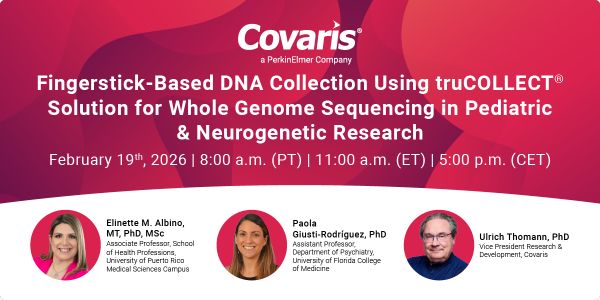
The collection of high-quality genomic DNA remains a major barrier in pediatric and neurodevelopmental research, particularly among children with autism spectrum disorder (ASD) and other neu...
FEB 23, 2026 | 11:00 AM
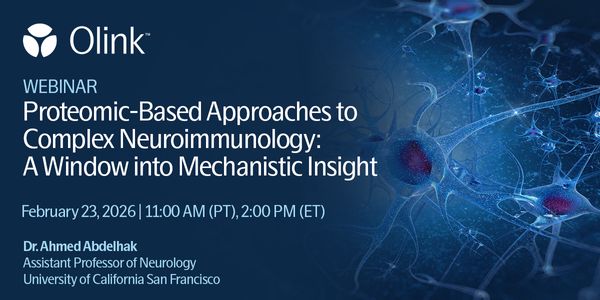
The timing of the biological onset of multiple sclerosis (MS) is unclear. We used high-throughput discovery proteomics and samples from presymptomatic patients with MS and matched healthy co...
Loading Comments...