
Research Physiologist Durham Veterans Affairs Medical CenterResearch Scientist Julius L Chambers Biomedical/Biotechnology Research Institute
BIOGRAPHY
MAR 04, 2026 5:30 AM PST
The Long Hangover: Rodent Model of Adolescent Binge Drinking Alters Brain and Behavior
Presented at:
Neuroscience Virtual Event Series 2026
Speaker
Abstract
The adolescent brain is built to learn, and during this period areas critical in learning and memory, such as the hippocampus and prefrontal cortex, have high levels of plasticity and are easily excitable. Adolescents also have differential responsivity to alcohol compared to adults, such that they have greater sensitivity to memory deficits and memory associated signaling but are less susceptible to the motor impairing effects of alcohol. Moreover, adolescents, more than adults, tend to consume alcohol in hazardous alcohol use patterns, binge-like patterns of repeated intoxicating blood levels and a cyclic withdrawal sequence. Further, the initiation of drinking during early adolescence is correlated with a four-to-five-fold greater risk of developing alcohol abuse disorders in adulthood. Rodent models of adolescent binge-like alcohol use, adolescent intermittent ethanol (AIE), have found that in adulthood those rodents with a history of AIE exhibit adolescent-typical brain function and behavior, dubbed “lock-in” effects. We, and others, have found in adulthood after AIE, there are sustained alterations in neuroimmune, neurogenesis, neural morphology, epigenetics and the cholinergic system, particularly in the hippocampus and medial prefrontal cortex. We recently found that AIE effects extend beyond neuronal alterations to astrocytes and microglia as well. These neurobiological effects drive deficits in hippocampally dependent learning and memory function as well as stress-induced affective behaviors.
Learning Objectives:
1. Describe how adolescent binge-like alcohol exposure differentially affects brain development and alcohol sensitivity compared to adulthood.
2. Identify long-term neurobiological and behavioral alterations associated with adolescent intermittent ethanol (AIE) exposure in rodent models.
3. Explain the concept of “lock-in” effects and how sustained changes in neural and glial systems contribute to adult cognitive and affective deficits following adolescent alcohol exposure.
You May Also Like
FEB 17, 2026 | 8:00 AM
In cell therapy applications, commonly employed cell purification platforms for large-scale isolation of immune or stem cells separate cells based on a single cell surface antigen. Enrichmen...
FEB 18, 2026 | 8:00 AM
With advancing food allergy research and emerging therapies, new allergy testing requirements arise. In this context, Basophil Activation Testing (BAT) has emerged as an essential component...
FEB 18, 2026 | 1:00 PM

Energy-efficient filtration solutions that reduce hidden chemical exposure from benchtop work and lab equipment to improve overall laboratory safety...
FEB 19, 2026 | 7:00 AM
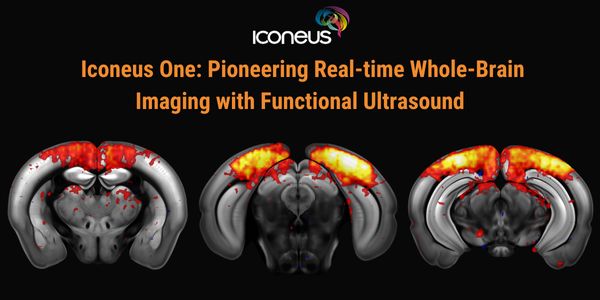
Discover how Iconeus One, the premier functional ultrasound (fUS) system for neuroscientists, is transforming brain function studies. Based on ultrafast plane-wave sonography, Iconeus One of...
FEB 19, 2026 | 8:00 AM
The collection of high-quality genomic DNA remains a major barrier in pediatric and neurodevelopmental research, particularly among children with autism spectrum disorder (ASD) and other neu...
FEB 23, 2026 | 9:00 AM
C.E. CREDITS

Explore decentralized liquid biopsy with SOPHiA GENETICS and MSK-ACCESS®, expanding access, improving outcomes, and accelerating precision oncology....
Loading Comments...