
Professor and Chair, Bioengineering, UCLA
BIOGRAPHY
MAR 18, 2026 9:00 AM PDT
Keynote Presentation: Scaling Single-Cell and Cell-Cell Biology with Particle-Based Microcompartments
Presented at:
Laboratory Automation Virtual Event Series 2026
Speaker
Abstract
Next-generation lab automation to generate data for biological foundation models is increasingly limited by the unit economics of compartmentalization. That is, how efficiently we can run millions of independent, information-rich experiments (single cells and interacting cell pairs). In this talk, I will present our latest “lab-on-a-particle” advances centered on self-assembling, sealable microcompartments formed by docking spherical capping particles into bowl-shaped hydrogel nanovials to create massively parallel, nanoliter-scale vessels. These capped microcompartments support long-term culture and functional assays while integrating directly with flow cytometry/sorting, enabling growth-based selections, reduced assay crosstalk, and substantially improved signal-to-noise in secretion measurements. I will then highlight Cell-Cell-seq, a scalable workflow that forms and preserves defined interacting dyads within nanovial cavities, enabling synchronized cell–cell contact followed by integrated functional readouts (e.g., secretion/killing) and droplet-based scRNA-seq. By benchmarking real dyads against computational pseudo-mixed controls, we identify emergent interaction-induced gene programs, including rapid, transient immediate-early responses often obscured in bulk co-culture, and we introduce analysis strategies that improve interpretability of reciprocal tumor–immune programs at dyad resolution. Capped nanovials and Cell-Cell-seq outline an automation-ready path to scale functional screening and interaction biology to generate AI-ready datasets linking function to molecular state at hyper scale.
Learning Objectives:
1. Explain how particle-based microcompartments enable massively parallel single-cell and cell–cell assays.
2. Understand the design principles and practical advantages of sealed (“capped”) microcompartments.
3. Recognize how integrated functional measurements and transcriptomic readouts from defined cell pairs can reveal interaction-specific biological programs that are missed by bulk co-culture or dissociated single-cell approaches
You May Also Like
FEB 17, 2026 | 8:00 AM
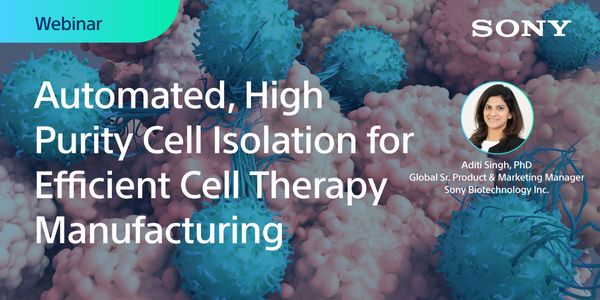
In cell therapy applications, commonly employed cell purification platforms for large-scale isolation of immune or stem cells separate cells based on a single cell surface antigen. Enrichmen...
FEB 18, 2026 | 8:00 AM

With advancing food allergy research and emerging therapies, new allergy testing requirements arise. In this context, Basophil Activation Testing (BAT) has emerged as an essential component...
FEB 18, 2026 | 1:00 PM
Energy-efficient filtration solutions that reduce hidden chemical exposure from benchtop work and lab equipment to improve overall laboratory safety...
FEB 19, 2026 | 7:00 AM
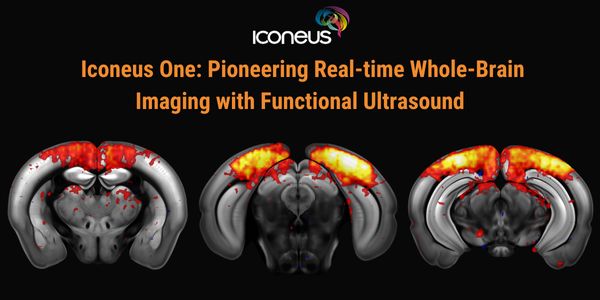
Discover how Iconeus One, the premier functional ultrasound (fUS) system for neuroscientists, is transforming brain function studies. Based on ultrafast plane-wave sonography, Iconeus One of...
FEB 19, 2026 | 8:00 AM
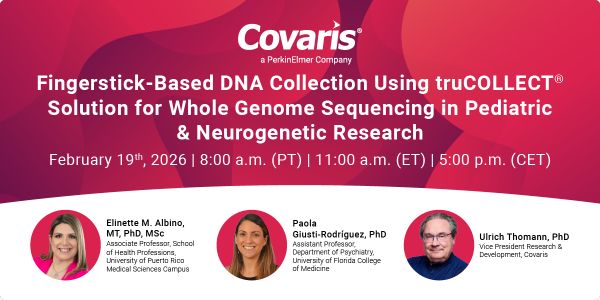
The collection of high-quality genomic DNA remains a major barrier in pediatric and neurodevelopmental research, particularly among children with autism spectrum disorder (ASD) and other neu...
FEB 23, 2026 | 9:00 AM
C.E. CREDITS

Explore decentralized liquid biopsy with SOPHiA GENETICS and MSK-ACCESS®, expanding access, improving outcomes, and accelerating precision oncology....
Loading Comments...